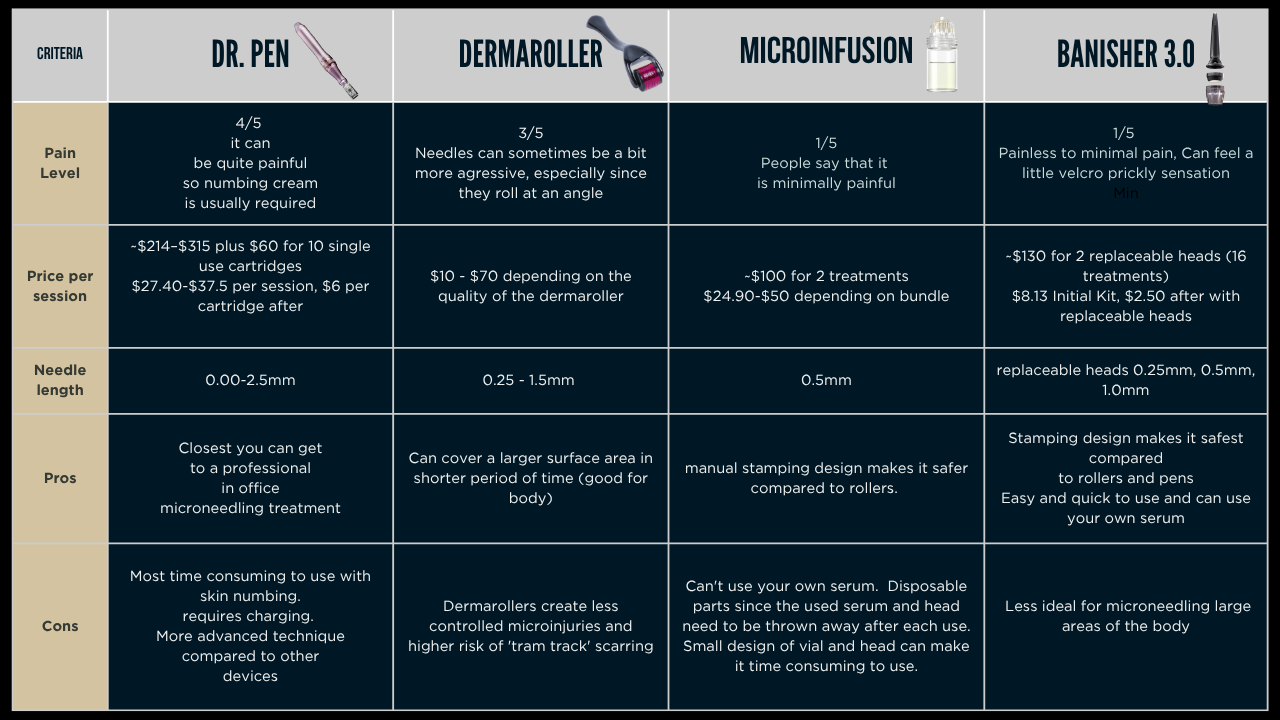
If you’re a woman over 50 looking to boost your skin’s glow, turn back signs of aging, and do it safely at home, microneedling might be one of your best-kept skincare secrets. But not all at-home microneedling tools are created equal. Today, we’ll compare three types: the classic dermaroller, the Banish microneedling stamp system, and a micro-infusion device, plus a quick note on a motorized pen like a Dr. Pen. My goal? To help you decide which is the right tool for your skin, especially as our skin changes and becomes thinner with age.
As an aside, I am a licensed esthetician and have used microdermabrasion, LED lights, peels, regular facials, and more. (I do not use Botox, fillers, or plastic surgery.) I avoided micro-needling because I heard too many stories of infection and long term scaring, so when I first tried an at-home microneedling kit, I was skeptical. After the second use, however, I noticed improvements that I had not seen using my other methods, and was won over. That experience is the basis for my current passion for at-home microneedling.
What Is Microneedling (and Why It Matters)
Microneedling works by creating tiny micro-injuries in the skin with very small needles, enough to trigger your body’s natural healing response, so you get a boost in collagen and elastin. That helps firm the skin, soften fine lines, reduce the appearance of pores, and even improve texture.
But here’s the key: how those micro-injuries are made depends a lot on the device. And that’s where the choice really matters.
1. Dermaroller: The Classic, but Not Always Ideal for Mature Skin

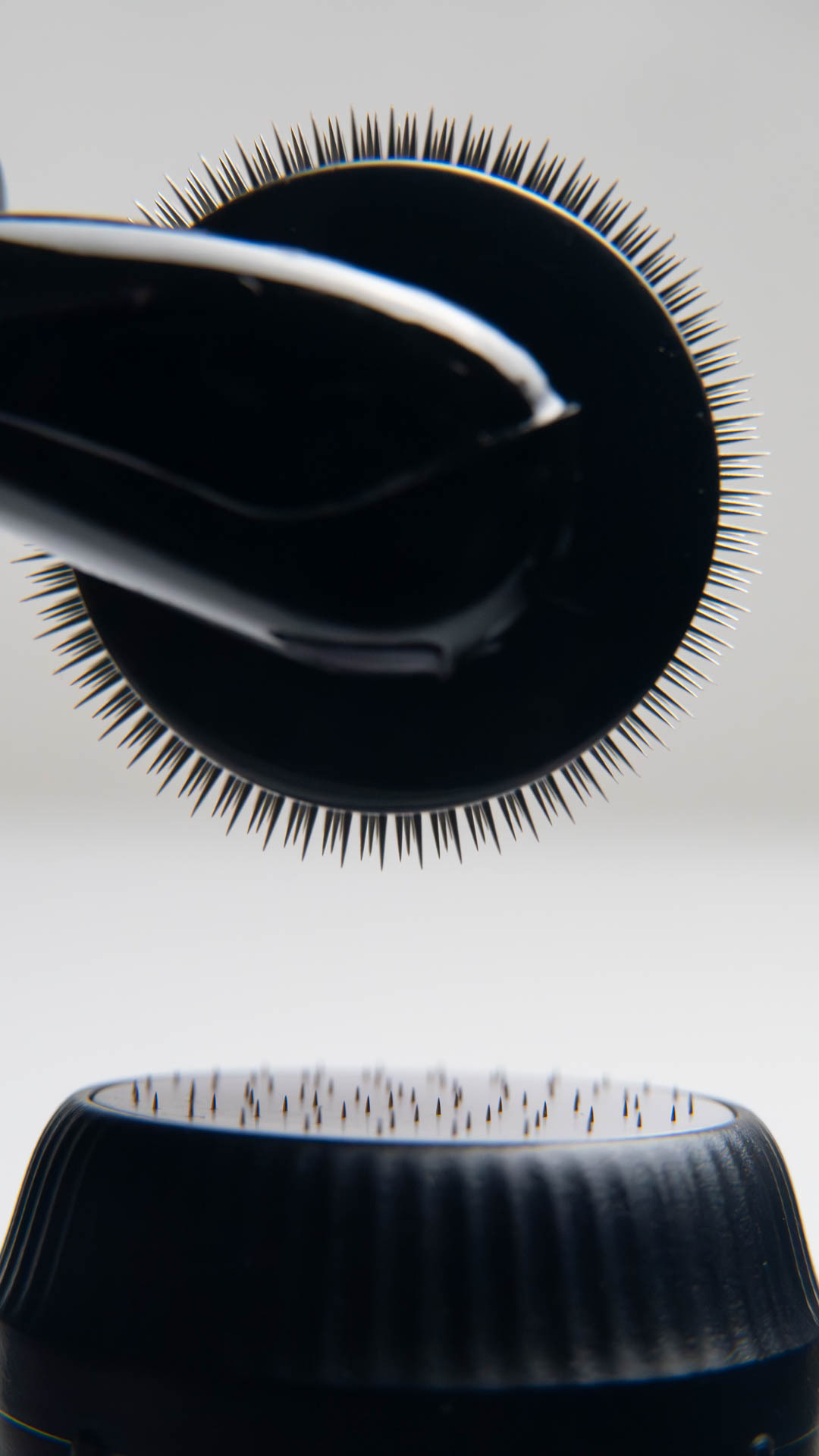
The dermaroller is probably what most people imagine when they think of microneedling: a small wheel covered in little needles that you roll across the skin.
Pros:
- Covers large areas quickly, making it good for body use.
- Usually lower cost, especially for basic models.
Cons (especially for more mature or delicate skin):
- The needles enter and exit at an angle, which can cause less controlled micro-injuries, sometimes even “tram-track” scarring.
- Difficult to sterilize properly; if not cleaned well, there’s a risk of bacteria build-up.
- Over time, the needles dull, which may lead to more irritation or micro-tearing rather than the gentle stimulation you want. (This echoes what I said in my video: with a roller, I experienced redness, irritation, and minimal results.)
For thinner, more fragile skin (like ours as we age), those downsides can outweigh the benefits, especially with regular use.
2. The Banish Microneedling System: Safe, Precise, and Mature-Skin Friendly
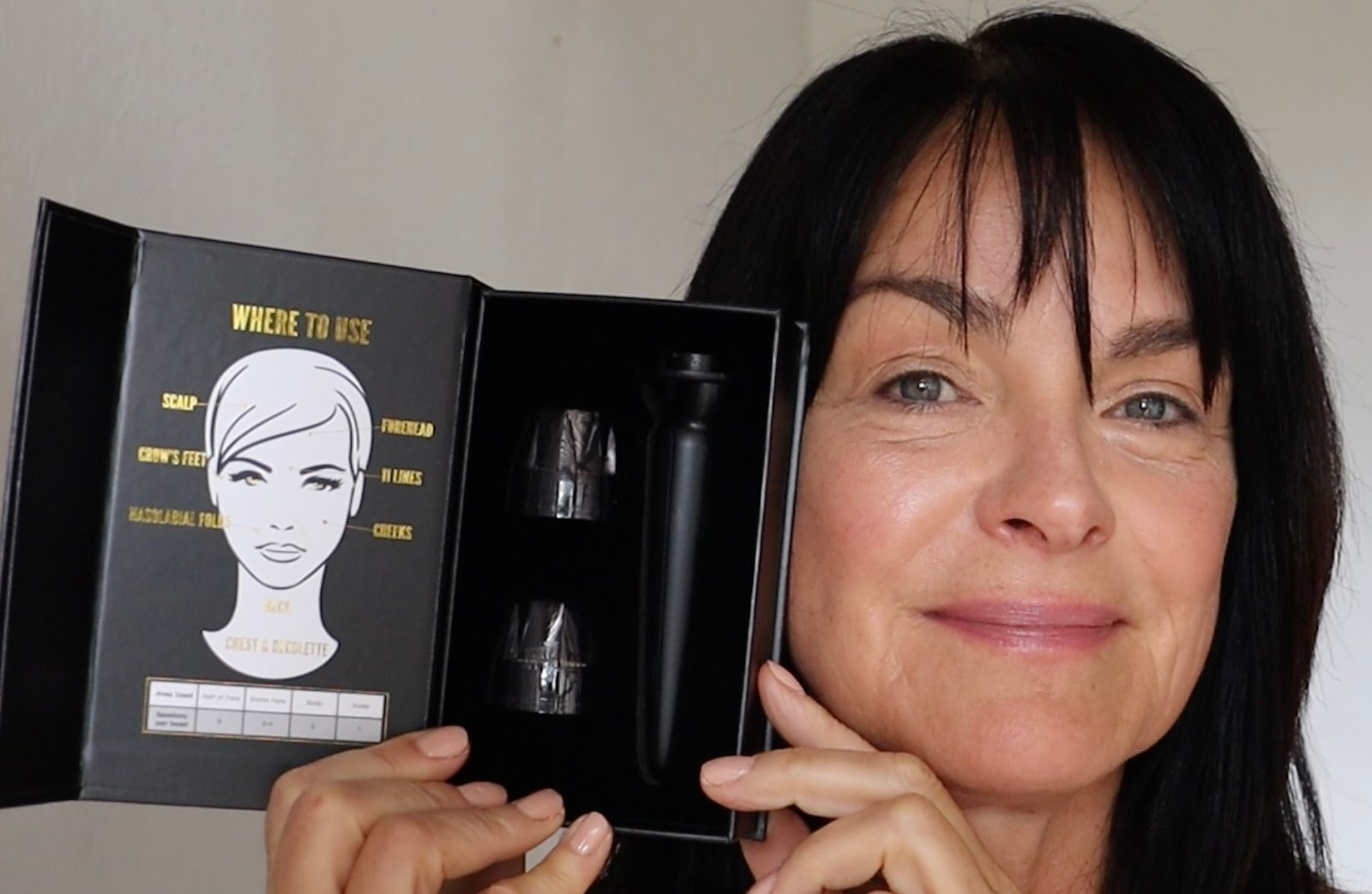
This is the device I highlighted in my video, and for good reason; the Banish system (especially the Banisher head) was designed with home use and sensitivity in mind. Here’s what I experienced myself. (For more information on the brand: BANISH)
Design & Safety:
- Uses a stamp-style design versus rolling, meaning with each press you create vertical microchannels rather than dragging across the skin.
- The stamp approach is safer for delicate or aging skin and minimizes trauma.
- Replaceable heads are reusable up to 8 times before needing replacement, so you don’t generate as much waste or dull needles quickly.
Needle Lengths:
- There are three head options: 0.25 mm, 0.5 mm, and 1.0 mm, depending on your needs.
- The 0.5 mm option is often called the “sweet spot” for home use: long enough to induce collagen but short enough to reduce risk.
Performance & Usability:
- The stamping head covers a decent surface area (about an inch in diameter), making treatment reasonably efficient.
- Built-in self-sanitizing cap helps keep things clean and makes the device more travel-friendly.
- The Banish Kit includes a vitamin C serum, but you can absolutely use your own serums, adding flexibility.
Safety for Sensitive Skin:
- Banish needles are among the thinnest available, which helps reduce irritation and lowers the risk of scarring.
- Use Banish about every two weeks, as longer needle lengths do not mean better results; overdoing it can lead to side effects.
My Experience:

As I shared in my video, switching from a roller to the Banish stamp was transformative. The redness disappeared in hours, not days. My skin felt smoother and more radiant the next morning, and over a few weeks I genuinely saw firmer texture around my cheeks and jawline. Plus, my serums just sank in more deeply, and my makeup glided on better.
3. Micro-Infusion Devices: Microneedling + Serum Delivery
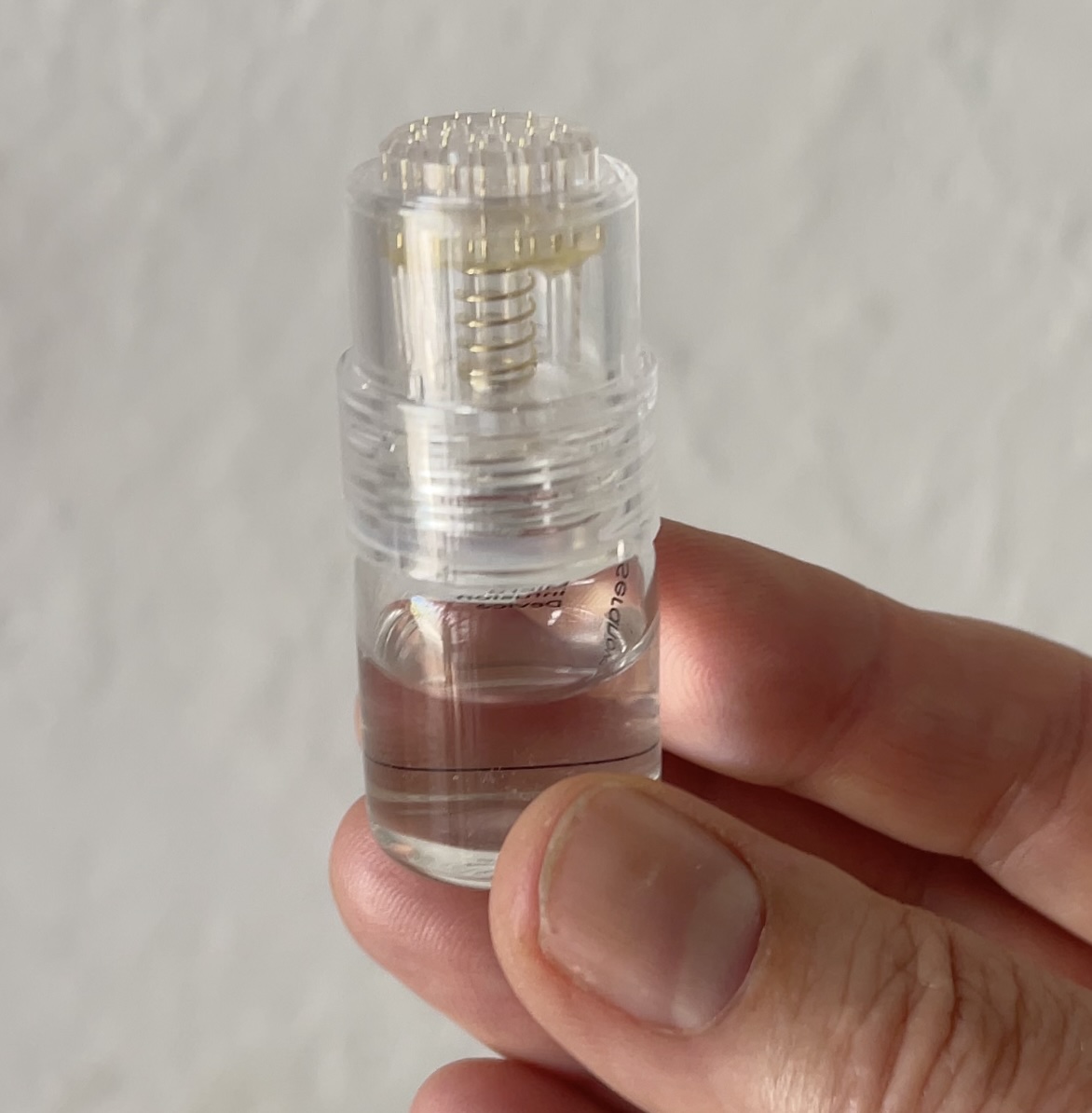
Micro-infusion devices are kind of a hybrid: they use hollow needles to both create microchannels and deliver serum into the skin at the same time.
Pros:
- Safer stamping action compared to rolling.
- Delivers active ingredients (like hyaluronic acid) through the needles, which can feel high-tech and efficient.
Cons:
- The serum that comes in the vial doesn’t always fully exit the needle, which means some may go to waste.
- The heads (and the serum vials) are often disposable, so there’s regular replacement cost.
- Because the surface area is smaller, treating your full face can take twice as long as with a regular stamping tool.
- You might not be able to use your favorite serums, you’re often limited to what comes with the device or what’s compatible.
So while micro-infusion devices have a precision and “serum delivery” appeal, for mature skin, they may not always be the fastest or most economical.
Quick Note on Motorized Pens (like Dr. Pen)
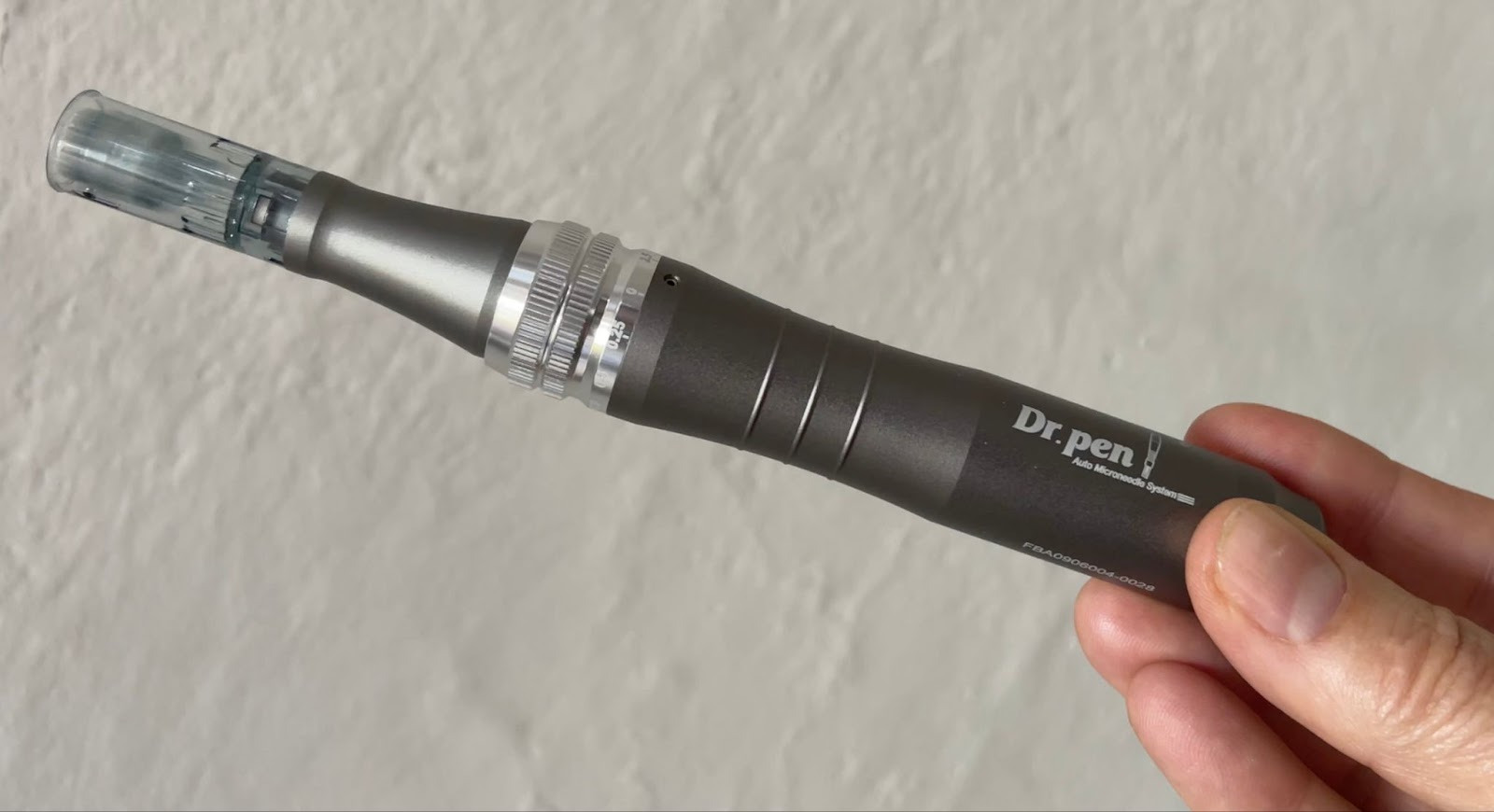
Dr. Pen is a motorized “dermapen.” Here’s how it stacks up:
- Adjustable needle depth: Many Dr. Pen models allow you to dial in from 0.25 mm up to 2.5 mm.
- Precision: Because it’s a motorized vertical motion, you can get more consistent penetration.
- More advanced: Not always beginner-friendly, it often requires numbing cream because of discomfort, and you need to make sure to apply enough serum so the pen glides without tugging.
- Higher cost: Initial investment is higher, and cartridges need to be replaced.
For women over 50, a pen like this can be great, especially if you’re more experienced and want something closer to what a pro esthetician would use. But if you’re after gentle, consistent, and safe home treatments, the stamp-style devices often win out.
My Bottom Line (from The Beauty Shaman)
- If safety, minimal downtime, and mature skin comfort are your top priorities, then Banish’s stamper system is my pick.
- If you already have a roller or want a lower-cost device, a dermaroller can work, but it’s more likely to cause irritation, especially as our skin becomes thinner.
- A micro-infusion device is elegant and delivers serum, but for regular maintenance, it may feel less practical.
- A motorized pen like Dr. Pen is powerful, but it requires more skill, time, and comfort with needling, plus the potential for more redness or sensitivity.
Pro Tips for Safe and Effective At-Home Microneedling
- Always cleanse thoroughly before use.
- Sanitize your device every time. For stampers, clean the head; for rollers, soak properly.
- Start small: Use shorter needle lengths if you’re new, and don’t overdo your sessions. (Longer isn’t always better.)
- Use gentle, hydrating serums post-treatment like peptides and/or vitamin C to nourish and protect.
- Avoid microneedling over active breakouts (or irritated skin).
- Protect your skin from the sun after treatment; micro-injured skin is more vulnerable.
Microneedling for Mature Skin
For women in our 50s and beyond, home microneedling is absolutely a realistic and powerful way to support collagen production, smooth texture, and help your skincare absorb more deeply, without going to a clinic. Based on both the Banish brand’s expert guide and my own experience, for safety + results + ease, the Banish stamp system stands out as the best all-around choice. But know that each tool has its place, what matters most is how it fits into your skincare routine, your comfort level, and your skin’s sensitivity.
If you’ve tried any of these tools (or are thinking about it), I’d love to hear about your experience. Drop me a comment or DM, and here’s to healthy, glowing skin at every age!
Check out BANISH comparison article.
Shop Banish until 12/30 with code SUZANNEGIFT and get a free cleanser with Banish Kit or Starter Kit purchase.
Microneedling FAQ for Mature Skin
1. How often should I microneedle at home?
- With a 0.25 mm device: 1–2 times per week.
- With 0.5 mm: every 1–2 weeks.
- With 1.0 mm: every 3–4 weeks.
Mature skin needs longer recovery times, more spacing gives better results and reduces irritation.
2. Does microneedling hurt?
Most women over 50 report only mild discomfort, especially with stamp-style devices like the Banish system. Dermarollers and motorized pens tend to feel sharper because the needles drag or move quickly. If you have very sensitive skin, start with 0.25 mm and increase only if needed.
3. What serums should I use after microneedling?
Choose gentle, hydrating, skin-repairing formulas:
- Hyaluronic acid
- Peptides
- Niacinamide
- Vitamin C (L-ascorbic acid or oil soluble THDA)
- Growth factors
Avoid: retinol, exfoliating acids (AHA/BHA), benzoyl peroxide, or fragrances for 24–48 hours.
4. Can I use microneedling to tighten sagging skin?
Yes. Microneedling boosts collagen and elastin, which can subtly firm areas like the cheeks, jawline, and neck over time. But results are gradual. Consistency + sun protection matter more than needle length.
5. How do I prep my skin before microneedling?
- Double-cleanse
- Disinfect the tool
- Apply a thin layer of sterile hyaluronic acid (optional)
- Tie hair back
- Wash hands thoroughly
Never use microneedling over makeup.
6. Is microneedling safe for thinning, menopausal, or sensitive skin?
Yes, as long as you use the right device and needle length. Stamp-style devices are the safest because they don’t drag. Avoid long needles, aggressive pressure, or frequent treatments.
7. What should I avoid after microneedling?
For 24–48 hours, avoid:
- Sun exposure
- Retinol or retinoids
- Exfoliating acids
- Makeup
- Sweating or hot yoga
- Saunas, steam rooms, hot tubs
Your skin is in repair mode, give it a calm, nurturing environment.
8. How long until I see results?
Many women notice a glow within 24 hours. For firmness, texture, and fine lines, expect improvements in 4–8 weeks, with continued gains for months if you stay consistent.
9. Can microneedling help with age spots or pigmentation?
Yes. Microneedling increases cellular turnover and improves product penetration. When paired with vitamin C or brightening serums, it can gently help fade age spots and sun damage.
10. Is a derma roller ever the better choice?
A roller can be useful for larger body areas (thighs, arms) where precision isn’t as important. For the face, especially mature facial skin, most experts prefer stamping devices to avoid micro-tears.
11. When should I NOT microneedle?
Skip treatments if you have:
- Active breakouts
- Rosacea flares
- Cold sores
- Eczema patches
- Sunburn
- Recent waxing or peels
When in doubt, wait until your skin is calm.
For a downloadable checklist to microneedle, click here.



Have you tried the qure or Seranova brand micro needling? I’m wondering how it would compare to Banish.
Hi Stef, Thank you for your question as it is a common one! I wrote an article on the different types of microneedling devices and included micro-infusion kits like Seranova. I like Seranova and have created content for them. Here are the links: Types of Microneedling devices: https://thebeautyshaman.com/best-micro-needling-devices-for-home-use-compared/
Seranova: https://youtu.be/uD3tzevh0bk
Both use the same length of needle, so for me the question is, what topical products are you using with them and what is the cost differential? Seranova specifically uses hyaluronic acid to infuse into the skin. Microneedling like Banish, leaves it up to you what you want to use. There is no serum coming through the needles, you are applying it after the treatment. Hyaluronic acid is a great skin plumper and I use it a lot. I also love vitamin C serum (oil soluble THDA, not l-ascorbic acid) and use it after microneedling. Seranova comes in a kit, so to get replacement heads and serum you have to buy the kit again at about $120. Other stamp style kits like Banish (and others, I am just more versed in Banish’s business model) you can buy replacement heads at $40 every 4 months. You can use any serum with either device TBH, and the important bit is to be consistent and use good serums to help with cell turnover. I’d love to hear your thoughts on this. My suggestion is to read/watch both videos and see what you think fits best into your budget and lifestyle. I hope this helps, Suz